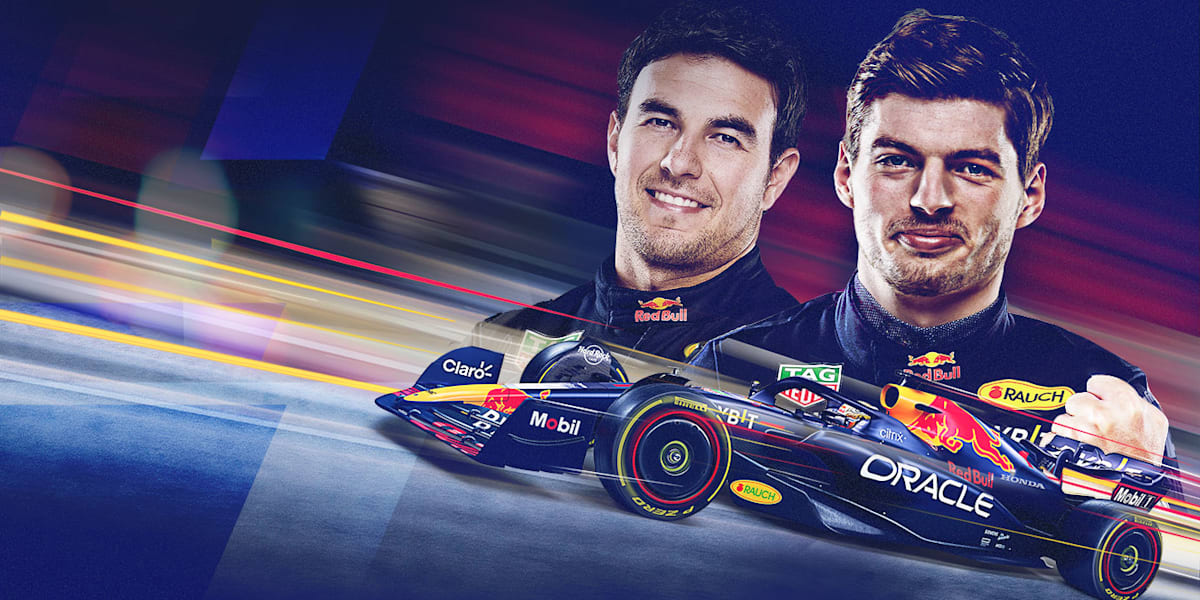
F1 Success Boosts Red Bull Energy Drink Sales, Team Leader Confirms.
Red Bull Racing’s extraordinary success in Formula 1 this season has directly influenced an upsurge in sales for its flagship energy drink, as stated by Christian Horner, the team’s principal and CEO, during an interview.
Horner emphasized the profound impact of their global marketing strategy, noting that the 23 race weekends annually serve as a colossal platform for advertising the Red Bull brand.
The team, which boasts Oracle as a prominent title sponsor alongside its dominance in the sport, has undeniably dominated the competition this season, triumphing in 19 out of the 20 Grand Prix weekends thus far.
Max Verstappen, the team’s world champion driver, has clinched victory in 17 of these races, while his teammate Sergio Perez claimed victories in Saudi Arabia and Azerbaijan. Verstappen secured the 2023 drivers’ title in early October during the 17th Grand Prix in Qatar, marking his third world championship.
Subsequently, the Red Bull team secured the constructors’ championship in Japan.
The correlation between their Formula 1 success and the sales surge of Red Bull energy drinks is evident in various markets, although specific sales metrics were not disclosed by the company.
Horner highlighted the noticeable impact in regions corresponding to the F1 races, describing the substantial increase in Red Bull consumption as incredible.

Red Bull, holding the position as the world’s second-most popular energy drink brand with a 13% market share, faces intensified competition in an expanding market.
Euromonitor International data positions Monster Beverage’s namesake brand slightly ahead with a 16.4% global market share. However, Red Bull’s market share has marginally decreased from 13.5% in 2021 to 13% this year, amidst the entry of new players like PepsiCo into the energy drink category.
The energy drink landscape has witnessed a surge in contenders, pressuring Red Bull’s market standing. Coca-Cola and Pepsi, major beverage giants, have ventured into the rapidly growing energy drink sector. While soda consumption has dwindled over the years, energy drinks have countered the trend due to their caffeine content and associated effects.
Coca-Cola introduced its energy drink in the UK in 2019; however, Coke Energy struggled to resonate with U.S. consumers, leading to its discontinuation in North America in 2021, merely a year after its launch.

Contrastingly, Pepsi has found success through strategic acquisitions. The purchase of Rockstar Energy for $3.85 billion in 2020 granted Pepsi ownership of both Rockstar’s flagship energy drink and the swiftly growing Sting Energy.
Furthermore, Pepsi made a substantial investment of $550 million in Celsius last year, a brand that positions itself as a healthier energy drink designed to enhance workouts. These acquisitions complement Pepsi’s efforts, such as transitioning Mountain Dew into the energy drink category and infusing caffeine into Gatorade.
The competitive landscape in the energy drink sector continues to evolve, with established players like Red Bull facing increased competition from newer entrants and strategic moves by beverage giants like Coca-Cola and Pepsi to solidify their positions in this thriving market.