


Formula One’s Unintentional Role in Securing Las Vegas Workers’ Incredible Contract.
When Formula One sped onto the Las Vegas scene, it didn’t just bring racing excitement—it inadvertently became a pivotal force in empowering tens of thousands of hospitality workers.
The glitz and glamour accompanying the F1 event inadvertently led to major improvements in wages and benefits for around 40,000 workers employed at 18 casinos across Sin City’s heart.
Days before the F1’s dazzling opening on the Strip, a breakthrough occurred: the Culinary and Bartenders Union successfully sealed five-year contracts with powerhouse entities like MGM Resorts, Caesars Entertainment, and Wynn Resorts.

These agreements marked the end of a prolonged deadlock, diffusing the looming threat of a worker strike perfectly timed to coincide with the race weekend—a nightmare scenario averted for both casinos and hotels bustling with tourists and high-rollers from across the globe.
Union leaders heralded these contracts as the pinnacle, describing them as “the best contract ever” for their workforce. They boasted about record-setting wage hikes, workload limitations, job recall rights, and even protections against the encroachment of AI technology in their labor landscape.
Ted Pappageorge, the Culinary Union’s Secretary-Treasurer and primary negotiator, acknowledged the role that the arrival of Formula One played in bolstering the workers’ bargaining position.
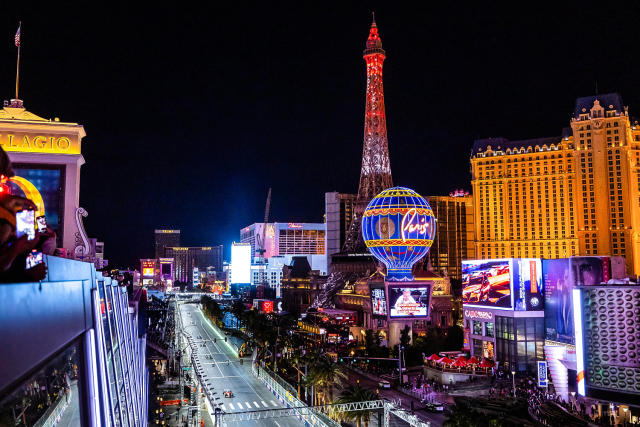
He highlighted the leverage gained from this high-profile event, combined with the solidarity and readiness of the workforce to strike if their demands weren’t met.
Pappageorge emphasized Las Vegas’s newfound status as the nexus of sports and entertainment and professed the union’s full support for Formula One and other major events coming to the city.
However, he underscored that the companies only capitulated when faced with the credible threat of a substantial strike—a tactic that proved effective in negotiations.

Before the contracts were finalized, union leaders meticulously laid the groundwork for a potential strike, devising a strike pay plan and preparing picket lines across the Strip.
They rallied Formula One ticket-holders to support their cause by boycotting casinos and hotels embroiled in the labor standoff.
The looming threat of what could have been the largest hospitality worker strike in U.S. history loomed large, presenting a potential disruption to operations and leaving a sour taste for the growing American F1 fanbase that flocked to witness the high-speed spectacle down the Strip at speeds surpassing 200 miles per hour.

One union organizer involved in the discussions disclosed that the presence of the F1 race significantly strengthened their bargaining position, asserting that casinos and hotels would struggle to operate without their 40,000-strong workforce.
This organizer highlighted upcoming events in Las Vegas, including conferences and sporting events, which further contributed to the leverage held by the union during negotiations.
Bill Hornbuckle, President and CEO of MGM Resorts International, commended the tentative contract as mutually beneficial, averting a potentially disastrous strike.
Union members, too, expressed jubilation and relief, foreseeing stability that would allow them to support their families while showcasing the city’s uniqueness to the world.
James Tanner, a bartender at Paris Casino under Caesars Entertainment, celebrated the newfound stability in the gaming market and destination resorts, emphasizing its positive impact on workers and the city’s appeal.
Additionally, the Culinary Union secured its own agreement with Las Vegas Grand Prix and Liberty Media, the owner of F1.
This accord ensures the rights of workers in the expansive new pit building to unionize and collectively bargain—a strategic move considering the sport’s 10-year commitment to continue racing in Las Vegas.


