


IEF Secretary General Warns of Oil Market Challenges Amid Growing China and India Demand.
According to the Secretary General of the International Energy Forum, Joseph McMonigle, oil prices are anticipated to rise during the year’s second half due to a significant imbalance between supply and demand. While oil demand has rebounded swiftly to pre-Covid levels, the global supply chain is struggling to keep pace, leading to a potential crisis in the oil markets.
Joseph McMonigle highlighted that oil demand had surged to pre-pandemic levels, reflecting a remarkable recovery in economic activities worldwide.
However, supply levels must catch up with this surging demand, widening the gap between the two factors. He suggested that the fear of an impending recession is the only factor holding prices back from spiralling out of control.

During a gathering of energy ministers from the G20 group of leading industrial economies in Goa, India, McMonigle expressed his concerns about the foreseeable future. He predicts that the second half of the year will witness severe difficulties in meeting the escalating demand, inevitably leading to a surge in oil prices.
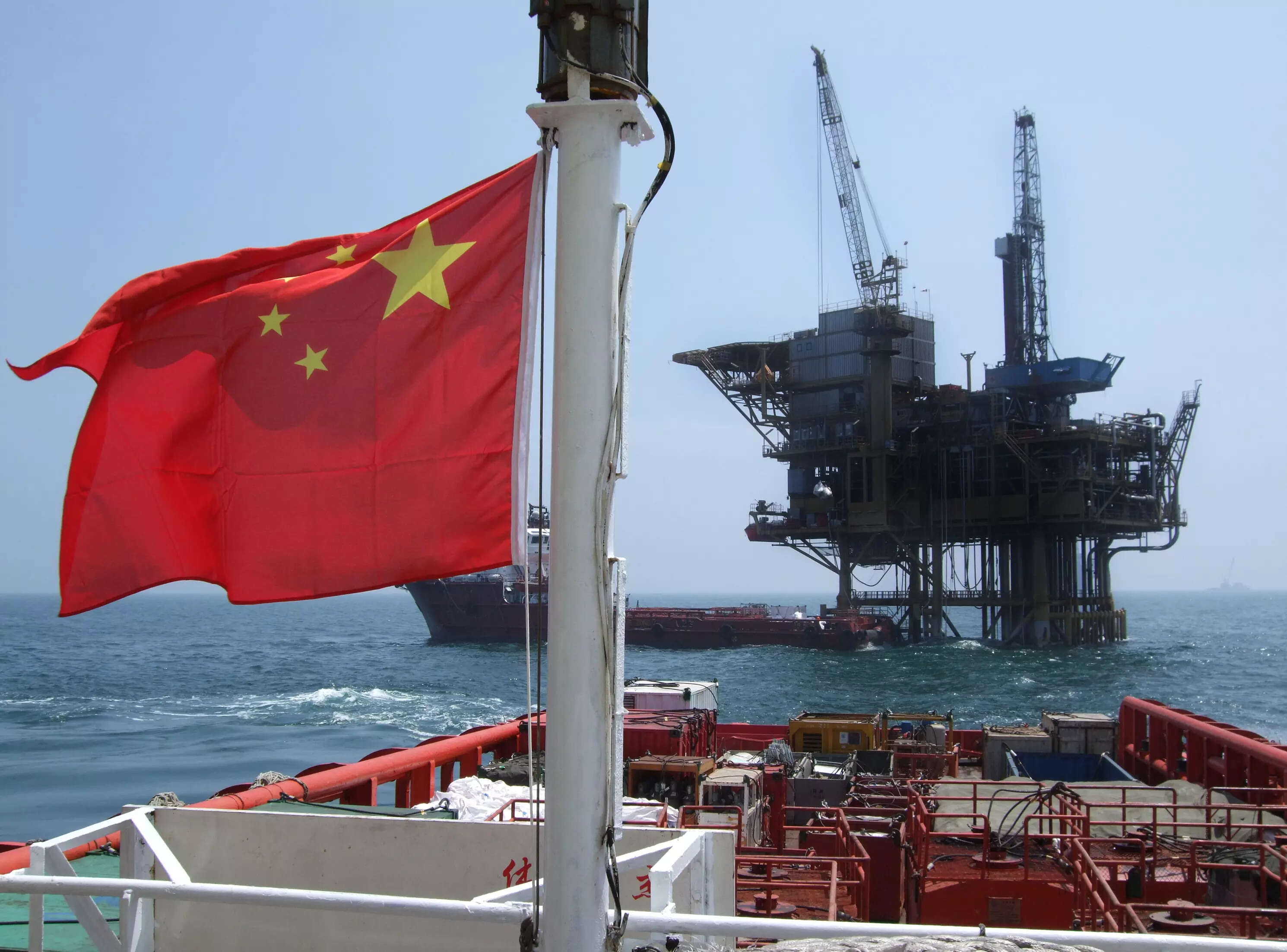
The primary drivers of this upward trend in oil prices are attributed to the burgeoning demand from China and India, two of the world’s largest consumers of crude oil.
China, in particular, stands out as the largest oil importer globally, with its economy rapidly recovering from the pandemic’s impact. At the same time, India is also experiencing robust economic growth, further contributing to the mounting demand for oil.
According to McMonigle’s assessment, the combined oil demand from India and China is expected to add a substantial two million barrels per day to global consumption in the year’s second half. This significant increase in demand will exacerbate the already struggling supply chain and could lead to a challenging situation for the oil markets.
As the world grapples with an imbalanced oil market, industry experts and policymakers will closely monitor the situation to assess the potential impacts on the global economy and energy prices. Strategies to address the supply-demand gap and stabilize oil prices may be crucial to ensure sustainable economic growth and energy security in the future.
In response to inquiries about the possibility of oil prices reaching $100 per barrel again, Joseph McMonigle, the Secretary General of the International Energy Forum, pointed out that oil prices are already hovering around $80 per barrel and could continue to rise further.
He emphasized that the ongoing trend of steep decreases in oil inventories will act as a clear signal to the market that demand is steadily increasing, and this will likely push prices even higher.
McMonigle expressed confidence in the actions of the Organization of the Petroleum Exporting Countries (OPEC) and its allied producers, collectively known as OPEC+, in managing the evolving situation.
He explained that should the global oil market eventually experience a significant supply-demand imbalance, OPEC+ would be prepared to intervene and increase oil supply to address the issue.

The cautious approach of OPEC+ is evident in their current stance on monitoring demand patterns closely. They aim to gather substantial evidence indicating a sustainable upswing in oil demand before significantly adjusting production levels. This suggests a readiness on their part to adapt and respond to market fluctuations in a responsible manner.
As of the most recent data, Brent crude futures with September expiry settled at $81.07 per barrel, while West Texas Intermediate crude with September delivery concluded the trading day at $76.83. These price levels reflect the ongoing volatility in the oil markets and the influence of various factors affecting supply and demand dynamics.
Given the delicate nature of the global energy landscape and the interplay between geopolitical, economic, and environmental factors, the future trajectory of oil prices remains uncertain. The continued monitoring and decision-making of OPEC+ will play a crucial role in maintaining market stability and ensuring a balanced approach to meet the world’s energy requirements.
As the situation unfolds, stakeholders across the energy sector will closely scrutinize developments to assess potential impacts on economic growth, inflation, and overall energy security.

Joseph McMonigle, the Secretary General of the International Energy Forum, has emphasized the importance of remaining vigilant in the face of current developments in the global energy landscape.
While speaking about the liquefied natural gas (LNG) market, he credited the stability observed in Europe’s energy market to a fortuitously warmer winter in 2022. However, he cautioned that this favourable weather might not be sustainable, and the next couple of winters could present challenges and uncertainties.
Despite the recent decline in LNG prices, McMonigle warned against complacency among policymakers. He stressed the need for increased investment in renewable energy sources to ensure a continuous and reliable energy supply.
The priority of energy security has evolved from a mere afterthought to a central focus in important global summits like the G20.
According to McMonigle, pursuing the energy transition vigorously is imperative, with a diverse array of solutions on the table. In this context, closely monitoring energy prices and market volatility becomes crucial. His concerns lie in the potential risks associated with public perception and support for climate policies and the overall energy transition.
If the public starts associating high energy prices and market instability with climate measures, there is a risk of losing public backing for such initiatives.
Engaging the public in the energy transition is vital, necessitating substantial efforts and sacrifices from individuals and communities.
McMonigle stressed the importance of maintaining public support and informing the general population about the necessity of energy transition and climate policies. Clear communication and transparency will be pivotal in ensuring that people understand the reasons behind various measures taken to achieve sustainable and resilient energy systems.
By fostering public understanding and support, policymakers can avoid potential backlash or resistance to the transformative changes needed for the energy transition.
Striking a balance between economic stability, environmental sustainability, and energy security will require the collective efforts of governments, businesses, and individuals worldwide.
Thus, McMonigle’s call for vigilance and public engagement echoes the urgency of addressing the intertwined challenges of energy transition, climate change, and energy security in a rapidly evolving world.


