


Lockheed Martin and Northrop Grumman Win $1.5B Contract for Pentagon Communication Satellites.
The Pentagon’s Space Development Agency (SDA) has recently allocated substantial contracts totaling $1.5 billion to defense giants Lockheed Martin and Northrop Grumman.
These contracts are earmarked for developing prototype communication satellites as part of the “Beta” iteration of the Tranche 2 Transport Layer constellation.
This constellation constitutes a critical component of the Proliferated Warfighter Space Architecture – an expansive network of satellites designed to furnish secure and encrypted communication capabilities for the U.S. military.
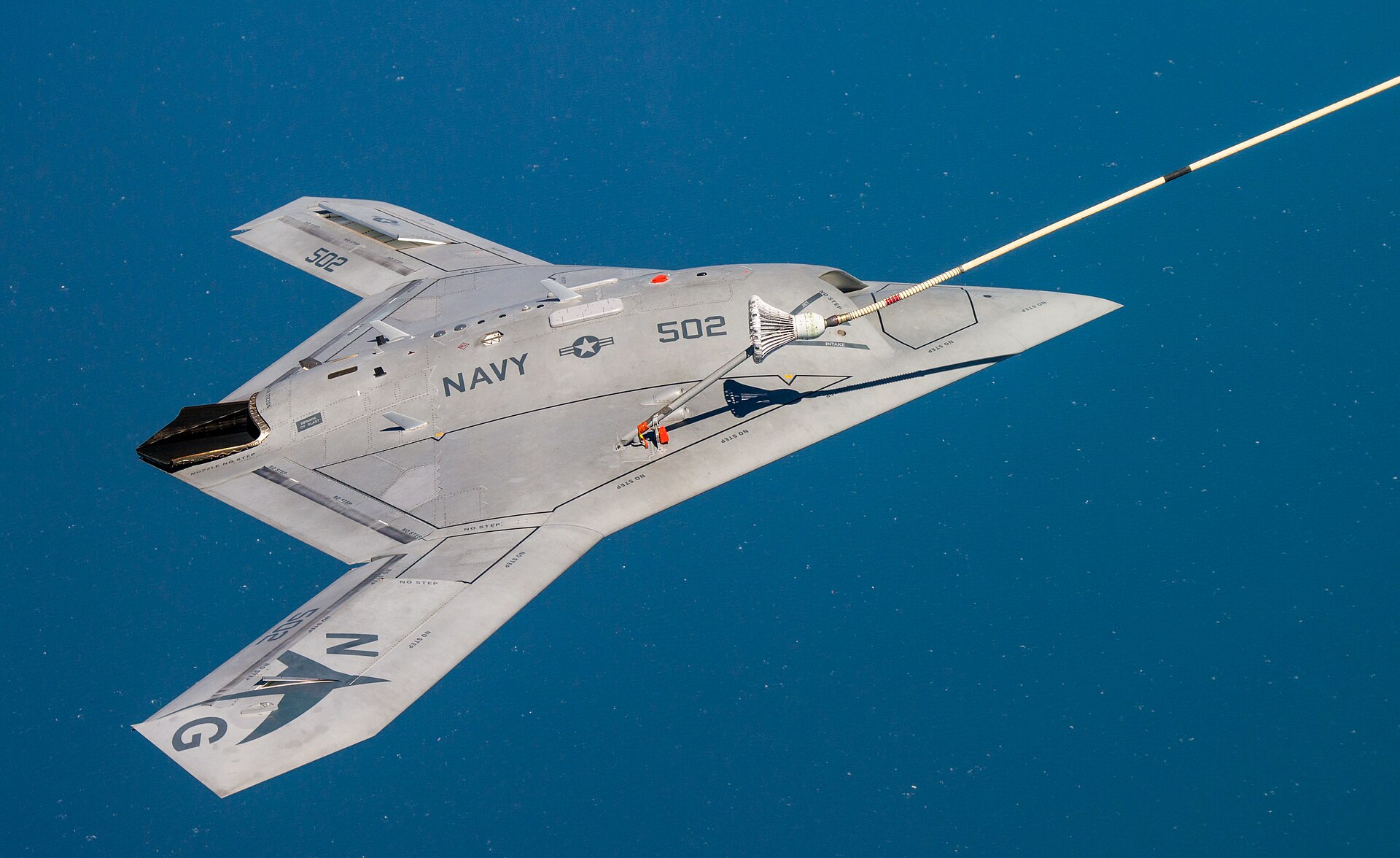
In a strategic move, Lockheed Martin and Northrop Grumman have secured contracts to construct 36 prototype satellites each. The ambitious launch timeline is set to kick off by September 2026.
The financial distribution of these contracts underscores the magnitude of the endeavor, with Lockheed Martin’s contract amounting to an impressive $816 million, while Northrop Grumman’s contract is valued at $733 million.

The decision-making process was comprehensive, as the SDA meticulously reviewed six distinct proposals before making its final choice. The motivation behind these monumental contracts is the Pentagon’s recognition of the increasingly competitive space domain, particularly in the face of China’s escalating capabilities.
The Pentagon views space endeavors as pivotal for national security, and the Space Force’s budget has grown considerably, with a substantial $30 billion budget request for fiscal year 2024. This allocation predominantly supports defense contractors and space-oriented companies supplying products and services to the military’s expanding space portfolio.
This development builds upon the initial launch of the SDA’s Tranche 0 satellites in April. These satellites marked the inaugural attempt to validate the feasibility of the SDA’s expansive network.
However, the scope of the SDA’s aspirations goes beyond communication infrastructure. The network aspires to deliver multifaceted benefits to the U.S. military, encompassing functions such as missile warning and tracking capabilities.

The SDA’s network is aligned with the Department of Defense’s Joint All-Domain Command and Control initiative. This forward-thinking endeavor aims to establish a seamless, integrated network across all military branches, effectively centralizing command and control functions.
As part of this holistic strategy, the SDA’s fleet of satellites assumes a pivotal role, enhancing the military’s capabilities and bolstering its preparedness across various domains.
Lockheed Martin, Northrop Grumman, and other key players, such as York Space, SpaceX, and L3Harris, have all been integral components of the SDA’s journey thus far. These collaborations underscore the collaborative nature of the aerospace and defense industries in tackling the complexities of modern space exploration and exploitation.

In conclusion, the Pentagon’s recent awarding of contracts totaling $1.5 billion to Lockheed Martin and Northrop Grumman for developing prototype communication satellites underscores the U.S. military’s commitment to advancing its capabilities in the space domain.
With a focus on the Tranche 2 Transport Layer constellation and the Proliferated Warfighter Space Architecture, the U.S. military is fortifying its communication infrastructure while laying the groundwork for enhanced missile warning, tracking capabilities, and other critical functions.
As the U.S. continues to assert its position in space, strategic collaborations between defense contractors, space companies, and government agencies will play an increasingly pivotal role in shaping the future of national security and technological prowess.


