


Reserve Bank of Australia Maintains Interest Rates at 4.1%.
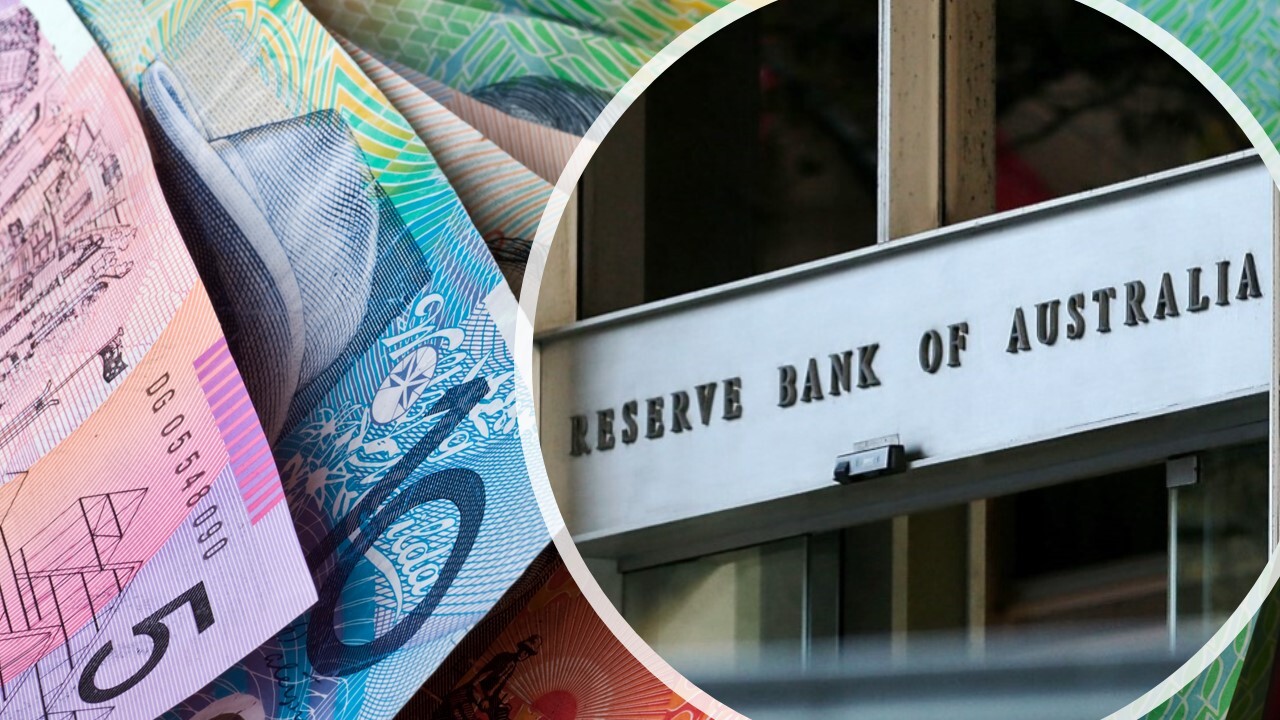
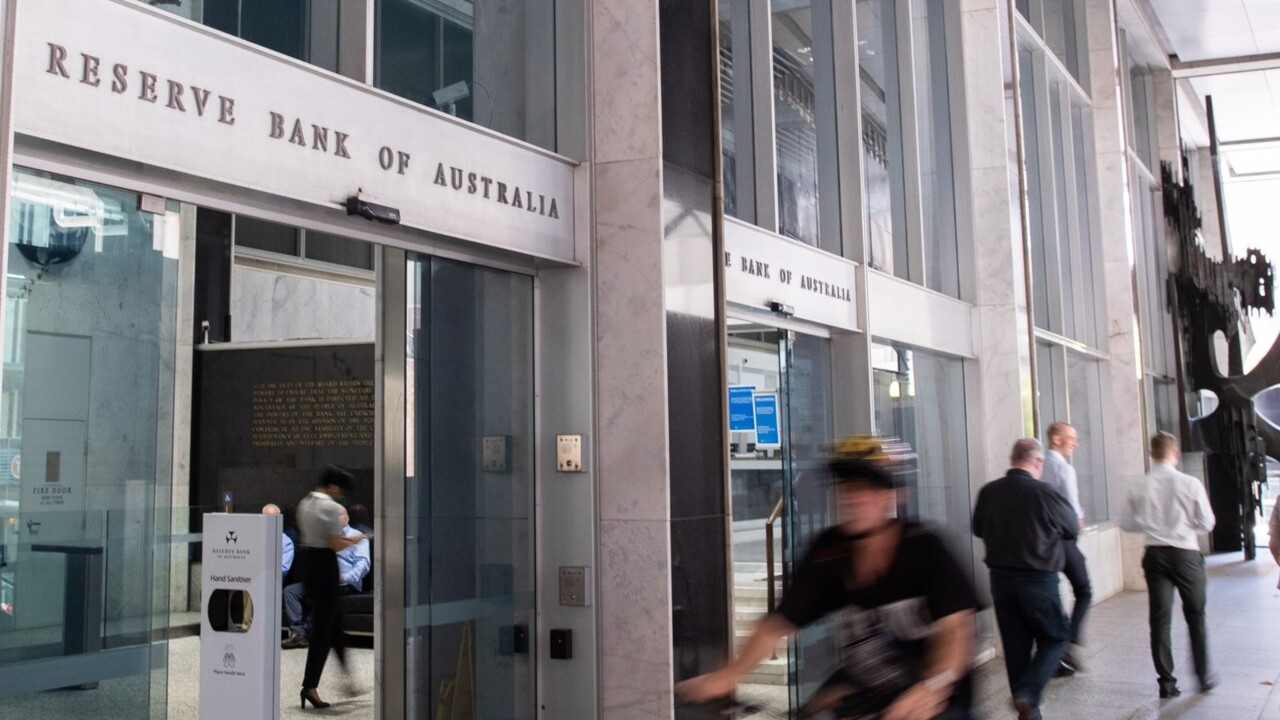
The Reserve Bank of Australia (RBA) has decided to keep interest rates unchanged at 4.1% for the second consecutive month to assess the repercussions of previous rate increases and cope with surging inflation.
The move provides mortgage holders with some relief while allowing the central bank to analyze the effects of its recent monetary policy actions.
Despite a slowdown in inflation to 6% during the second quarter from the 7% reported in the first quarter, Australia is still grappling with elevated inflation levels well above the RBA’s target range of 2% to 3%.
Economic activity has surged as the nation emerges from the depths of the Covid-19 pandemic, resulting in significant inflationary pressures.
Governor Philip Lowe asserted that the higher interest rates have contributed to achieving a more sustainable balance between supply and demand in the economy.
He emphasized that this approach will persist, citing the current uncertainty surrounding the economic outlook. As such, the RBA opted to maintain the current interest rate stance to allow further time to evaluate the impact of prior rate adjustments and better understand the economic prospects.
Over the past year, the RBA has implemented a cumulative 400 basis points increase in interest rates, bringing them to the highest level in 11 years. However, the central bank recognizes that its efforts have not curbed all inflationary aspects of the economy.
While goods price inflation has eased, the cost of numerous services, including rent, continues to rise briskly.
Lowe’s statement also included the central forecast for Consumer Price Index (CPI) inflation, projecting a gradual decline to approximately 3.25% by the end of 2024. This indicates an optimistic view that inflation will return within the RBA’s target range of 2-3% by late 2025.

Notably, Tuesday’s RBA policy meeting marked Philip Lowe’s penultimate meeting as governor, with Michele Bullock, set to succeed him after Lowe concludes his seven-year term on September 17. The leadership transition may introduce additional dynamics to the central bank’s future monetary policy decisions.
Australia’s monetary authorities have been navigating a challenging economic landscape as they grapple with the ramifications of the Covid-19 pandemic.
The aggressive rate increases, which commenced in May of the preceding year, aimed to curb the effects of surging inflation while maintaining economic stability and sustainable growth.
The RBA’s decision to hold interest rates at 4.1% reflects a cautious approach to achieving its long-term objectives while addressing the immediate economic challenges.
The central bank has carefully balanced its policies to strike a compromise between containing inflationary pressures and supporting economic recovery. The decision acknowledges the need for measured steps in response to the ongoing uncertainties surrounding the post-pandemic recovery.
With inflationary concerns in focus, the RBA has been closely monitoring various sectors, especially services, where prices continue to escalate. As the economy rebounds and demand picks up, authorities will closely observe the developments in rents and other service-related costs, which can exert upward pressure on the overall price level.

Governor Lowe’s confidence in the central forecast for inflation declining and eventually returning within the target range suggests that the RBA anticipates economic conditions to stabilize over the medium term.
However, the central bank remains vigilant about potential uncertainties, including global financial developments and possible shifts in consumer behaviour.
Michele Bullock’s upcoming tenure as governor introduces an element of anticipation as she takes the reins in overseeing the nation’s monetary policy. Market participants and analysts alike will closely watch her approach to managing inflation and supporting economic growth.
Market expectations and reactions may evolve based on her policy decisions and communication style.
In conclusion, the RBA’s decision to keep interest rates at 4.1% for a second consecutive month reflects the central bank’s prudent approach amid surging inflation and economic uncertainties.
With a comprehensive assessment of the impact of previous rate hikes underway, the RBA aims to strike a balance between taming inflationary pressures and promoting sustainable economic growth.
As the leadership baton transitions to Michele Bullock in September, all eyes will be on the RBA’s continued efforts to navigate the evolving financial landscape.


