


Rupert Murdoch Deposed in Smartmatic Election Lawsuit.
Rupert Murdoch, the 92-year-old media tycoon, is under the legal spotlight in a significant defamation lawsuit against Fox Corp., initiated by Smartmatic, a prominent voting technology company.
This high-stakes legal battle, amounting to a staggering $2.7 billion, has brought Murdoch into the center of attention as he faces a deposition under oath, scheduled over Tuesday and Wednesday in Los Angeles.

Murdoch’s pivotal role in reshaping the media landscape has long been established, with his tenure at the helms of both Fox and News Corp. Over the years, he has been an influential figure in the media industry and the broader political spectrum.
His recent official step down as chairman of these conglomerates has marked a transition of power to his son, Lachlan, who now holds the reins of both companies, while Murdoch himself assumes the position of chairman emeritus.
The legal showdown between Smartmatic and Fox Corp. is fueled by allegations of defamation, a legal battleground where accusations and reputations hang in the balance. Smartmatic, a key player in voting technology, has laid claim to a colossal amount, accusing Fox Corp. of tarnishing its reputation through false and damaging statements made on air.
The intricacies of this lawsuit delve deep into the realm of media responsibility, alleging that Fox Corp.’s coverage involving Smartmatic during the turbulent aftermath of the 2020 elections was fraught with falsehoods, casting aspersions on the integrity of Smartmatic’s technology.

The deposition of Rupert Murdoch represents a significant juncture in this legal saga, where probing questions and scrutinizing inquiries aim to uncover truths, parse through allegations, and seek justice.
Murdoch, renowned for his strategic prowess and immense influence within the media landscape, faces a grilling session under oath, placing his words and actions in the spotlight.
This legal clash not only underscores the immense financial stakes involved but also raises pertinent questions about journalistic accountability, the role of media in disseminating information, and the consequences of potentially damaging narratives.
The outcome of this legal battle could reverberate across the media industry, setting precedents for responsible reporting, and potentially reshaping the dynamics between media entities and the subjects they cover.
Moreover, Murdoch’s deposition amid his transition to a more advisory role within Fox and News Corp. adds a layer of complexity to the situation.
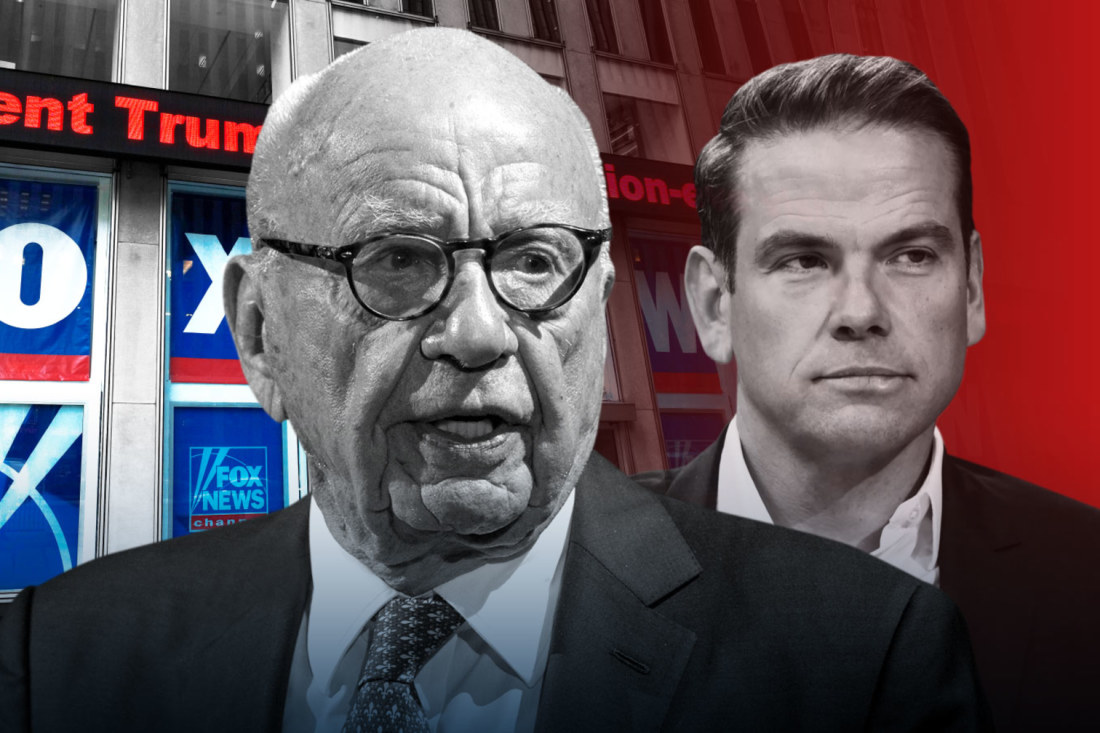
His continued influence, albeit in an emeritus capacity, may intersect with the ongoing affairs of these media giants, potentially impacting their strategies, policies, and future directions.
As the legal proceedings unfold, the eyes of the media world remain fixed on this high-profile case, awaiting the implications it might carry for the industry’s ethical standards, the boundaries of free speech, and the accountability of media conglomerates for the content they broadcast.

In essence, Murdoch’s deposition signifies a pivotal moment in the intersection of media, law, and corporate governance, carrying far-reaching implications that extend beyond the confines of this particular lawsuit, shaping the landscape of media practices and responsibilities in the years to come.


