


Surplus Sheep in Australia are Given Away for Free.
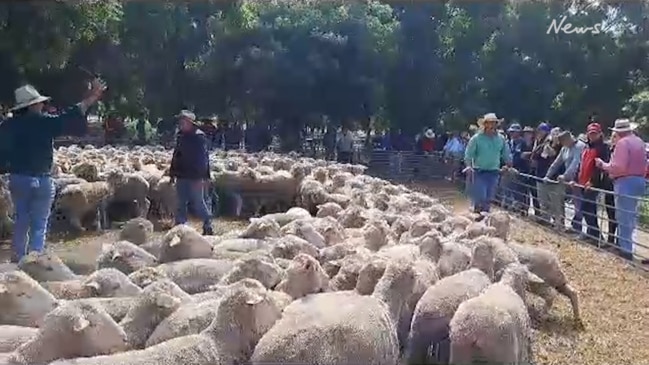
In Australia, an overwhelming surplus of sheep has caused a ripple effect in the farming community. The mutton market, experiencing a drastic 70% drop in prices over the last year, has prompted farmers to reevaluate their strategies.
Many now face the tough choice of culling or giving away their sheep to mitigate escalating costs rather than continuing to rear them on their farms.

The surge in the sheep population to a staggering 78.75 million head, the highest count since 2007, is primarily attributed to several consecutive seasons of exceptional rainfall in key sheep regions like New South Wales and Victoria.
Abundant rainfall directly correlates with optimal grass growth, a crucial factor in feeding and breeding livestock. As a result, producers, buoyed by favorable market conditions, chose to retain more sheep on-farm rather than sending them off for fattening and eventual sale at slaughterhouses and markets.
Andrew Spencer, chairman of Sheep Producers Australia, highlighted this trend, indicating that the prolonged buoyancy in the market encouraged ranchers to retain sheep, leading to an unanticipated surge in numbers. Unfortunately, this increase in the flock has contributed to a significant decline in profitability for farmers.

Steve McGuire, vice president of agricultural advocacy group WAFarmers, expressed concerns about the surplus sheep, warning that without a viable market, farmers might face the unfortunate decision to destroy these animals.
McGuire emphasized that farmers are inclined to give away the animals rather than cull them, yet there have been limited takers for the surplus sheep.
The statistics provided by Meat and Livestock Australia (MLA) forecast a staggering 23% expansion in Australia’s sheep flock from its 100-year low in 2020.
Consequently, the oversupply of sheep has triggered a sharp decline in livestock prices, starkly contrasting the record-high mutton prices enjoyed by farmers just three years ago.
This surplus and subsequent drop in prices pose a dual challenge for farmers. They must now sustain and feed a huge flock for an extended period, even as weather conditions fluctuate this year.
The prevailing situation underscores the delicate balance farmers must strike between responding to market fluctuations and navigating environmental conditions. It also highlights the vulnerability of agricultural sectors to sudden shifts in supply and demand dynamics.
As the industry grapples with these challenges, finding sustainable solutions to manage surplus livestock while ensuring the welfare of farmers remains a pressing concern.

The convergence of favorable weather patterns, market dynamics, and farming practices has led to an unforeseen surplus of sheep in Australia.
While the immediate repercussions manifest in plummeting prices and financial strains for farmers, the broader implications emphasize the need for adaptive strategies and support mechanisms within the agricultural sector.
Addressing this surplus in a manner that minimizes losses for farmers and ensures the well-being of the surplus livestock is a multifaceted challenge that demands innovative solutions and collaborative efforts from various stakeholders within the industry.


